Lighting, composition, and editing matter, but many beginner photographers overlook one final stage that heavily affects repeat bookings: the client experience at delivery.
The delivery stage is the moment when clients review, select, or download the photos you created. Many photographers subconsciously feel that the job is done the moment the Lightroom export finishes. In reality, the way you present those photos often determines whether clients come back or recommend you.
Here are five fatal mistakes photographers still make when sending photos to clients and how to avoid them.
1. Sending a raw Google Drive link through WhatsApp
This is the most common mistake. You finish uploading 500 images to Google Drive, copy a long generic share link, and send it in WhatsApp with a short message like, "Here is the photo link."
Why this hurts:
- it looks cheap and unpolished,
- clients who paid good money expect a better final presentation,
- large Drive folders on mobile can feel slow and unpleasant to browse.
2. Asking clients to type filenames manually
If your package includes 30 selected photos for retouching, how do clients tell you which 30 they want?
If the answer is "they send filenames like DSC00912.jpg through chat," you are creating pain for both sides.
Why this hurts:
- clients get tired checking images and typing filenames,
- typos become common,
- you can end up editing the wrong image,
- revisions become more likely.
3. Staying silent with no message and no sneak peek
Many photographers need one to two weeks to finish editing. During that time, clients can become anxious if they hear nothing from you.
A better approach:
- send one to three polished sneak peek images within 48 hours,
- reassure clients that the project is moving,
- keep the excitement alive while the full gallery is still in progress.
4. Letting links expire without warning
Sometimes storage fills up and you need to clean old folders. If you suddenly delete a client gallery after two months with no notice, the client who returns to download the files later will be frustrated.
A better approach:
- state the access period clearly from the beginning,
- give a reminder before the gallery is removed,
- make the storage policy feel intentional, not random.
5. Not using a professional client gallery
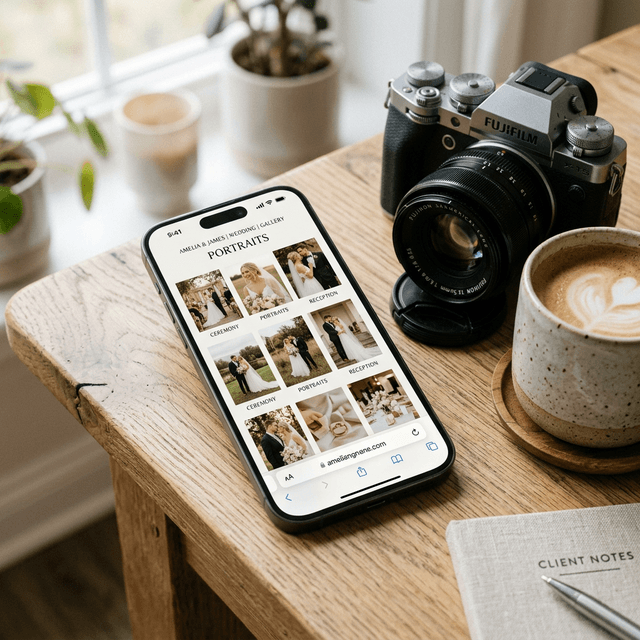
By 2026, clients expect a smoother digital experience. They are used to interfaces that feel closer to Instagram or Pinterest than to a raw storage folder. If you still rely only on generic sharing tools, you are automatically placing yourself below photographers in your market who offer a better delivery experience.
The Better Alternative
What if you could give clients a clean premium gallery without paying extreme monthly storage fees and without uploading everything twice?
That is exactly the gap PilahFoto is designed to solve:
- it connects directly to your Google Drive,
- clients receive a neat gallery link with your studio branding,
- clients can tap Select directly on each image,
- you receive the chosen photos in a structured format.
Instead of letting beautiful work end with a weak delivery moment, you can turn the final handoff into part of the premium experience.
Why This Matters for Repeat Orders
Photographers often underestimate how much clients remember the final stage. Clients may not describe your white balance or your culling discipline in detail, but they absolutely remember whether the service felt easy and well organized.
A smoother delivery experience can help you:
- reduce unnecessary back-and-forth,
- make the brand feel more expensive,
- create stronger client trust,
- increase the chance of repeat work and referrals.
FAQ About Delivery Mistakes
Is sending a Google Drive link always wrong?
Not always. Drive is excellent for storage. The problem is using it as the entire client-facing experience with no gallery or proofing layer on top.
Do I really need a client gallery as a solo photographer?
Yes, especially if you want your service to feel premium while reducing admin work.
Is this only relevant for wedding photographers?
No. Family, graduation, personal branding, and event photographers benefit too whenever clients need to review or choose photos.
Conclusion
A poor delivery experience can damage the impression created by great photos. If you want clients to feel that your service is polished from start to finish, stop treating delivery as an afterthought.
Avoid raw links, avoid manual filename selection, communicate clearly, and give clients a modern proofing experience instead.
If you want to upgrade that final stage right away, try PilahFoto here.